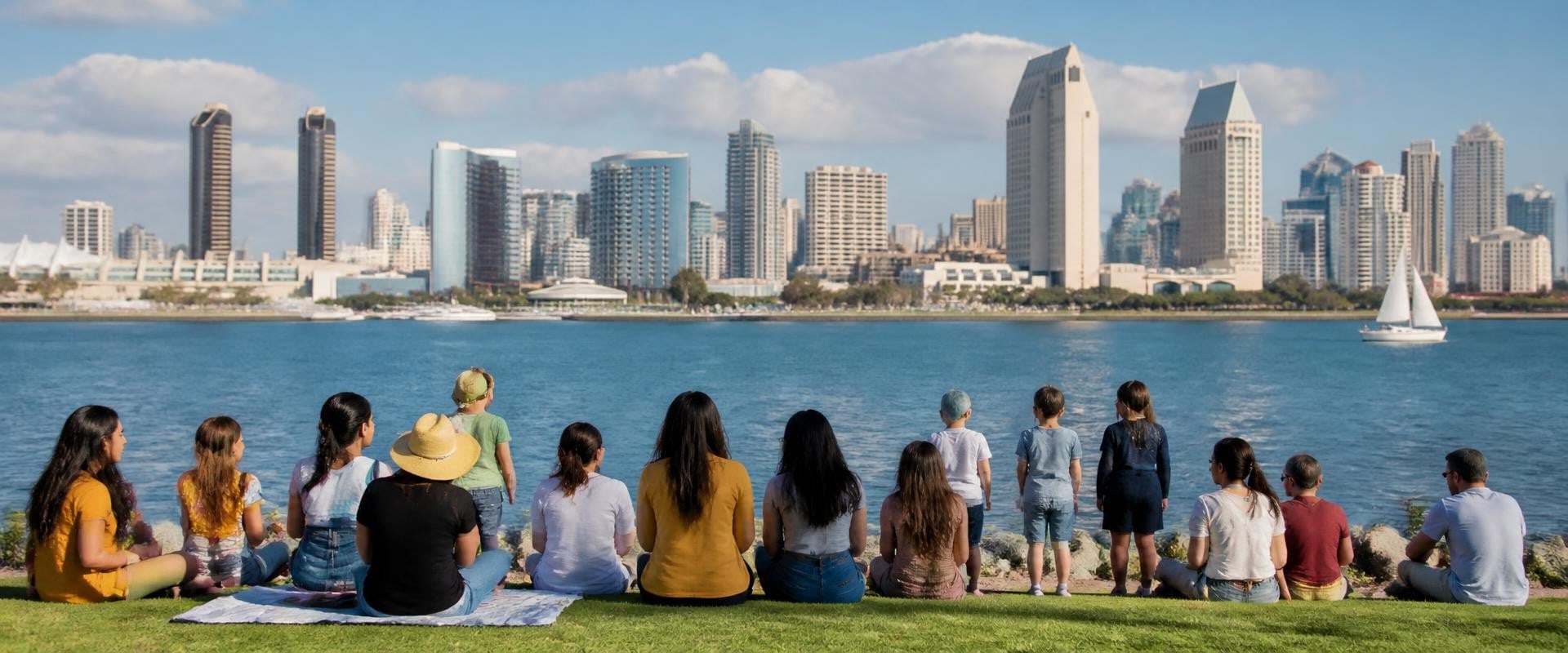
Welcome to Best San Diego, your trusted guide to exploring the vibrant and diverse city of San Diego. Understanding the demographics and population trends of this dynamic region is essential for residents, potential movers, and anyone interested in the local culture. San Diego is not just known for its beautiful beaches and year-round sunshine; it is a melting pot of different cultures, ages, and lifestyles, making it a fascinating place to live or visit. The city's population has seen significant changes over the years, influenced by various factors such as economic opportunities, educational institutions, and lifestyle preferences. In this article, we will delve into the key demographics that shape San Diego's identity, analyzing trends that reveal how the city has evolved and continues to develop.
Whether you're a long-time resident or considering relocating to San Diego, understanding these trends can help you make informed decisions about your community. As we explore the multifaceted aspects of San Diego's demographics, we will uncover insights into age distribution, cultural diversity, and population growth patterns. These elements not only define the character of neighborhoods but also impact local services and amenities available to residents. Stay with us as we navigate through this intriguing landscape of Whether you're a long-time resident or considering relocating to San Diego, understanding these trends can help you make informed decisions about your community. As we explore the multifaceted aspects of San Diego's demographics, we will uncover insights into age distribution, cultural diversity, and population growth patterns. These elements not only define the character of neighborhoods but also impact local services and amenities available to residents. Stay with us as we navigate through this intriguing landscape of demographics and population trends that make San Diego a unique place to call home. San Diego, a vibrant coastal city in Southern California, has experienced significant growth over the years, with its current population exceeding 1.4 million residents. This remarkable figure places San Diego as the second-largest city in California and the eighth-largest in the United States.
Understanding the demographics and population trends of San Diego is essential for residents and newcomers alike, as it offers valuable insights into local services, neighborhoods, and activities that cater to diverse lifestyles. At Best San Diego, we aim to provide a comprehensive overview of these dynamics to help you make informed choices. As we delve deeper into the demographics, it’s important to note the city’s diverse age distribution. Approximately 22% of the population is under 18 years old, while around 14% are aged 65 and older. This age diversity reflects a community that is not only youthful but also home to a significant number of seniors, which influences local services such as schools and healthcare facilities.
Gender distribution is relatively balanced, with slightly more females than males, a common trend in urban areas. Ethnically, San Diego is a melting pot, showcasing a rich tapestry of cultures. The largest ethnic group comprises Hispanic or Latino residents, making up nearly 30% of the population, followed by White (Non-Hispanic) at about 43%, Asian at approximately 15%, and other ethnicities filling out the remaining demographic landscape. This diverse background fosters a variety of cultural events, cuisines, and community activities that are integral to life in San Diego. Understanding these demographics is crucial when selecting neighborhoods that fit various lifestyles. For instance, families may gravitate towards areas with good schools and parks, while young professionals may prefer neighborhoods with vibrant nightlife and dining options.
Furthermore, the presence of diverse ethnic communities often leads to unique cultural enclaves that enrich the overall living experience. Examining population trends, we see notable migration patterns impacting San Diego. The city attracts a steady influx of newcomers from other states and countries, drawn by its favorable climate, job opportunities, and quality of life. This migration contributes to urbanization as more housing developments arise to accommodate the growing population. However, this rapid growth also raises concerns about affordability and housing availability. Economic factors play a significant role in shaping these trends.
San Diego boasts a robust economy centered on sectors like military, tourism, technology, and healthcare. The tech industry, in particular, has been expanding rapidly, drawing a skilled workforce and influencing local services such as education and vocational training programs tailored for emerging industries. The influence of these trends can be observed in various neighborhoods throughout San Diego. For example, areas like La Jolla exemplify affluence with their upscale amenities and coastal views, attracting both retirees and professionals seeking a luxurious lifestyle. Conversely, neighborhoods like City Heights showcase resilience amid economic challenges; they are known for their multicultural community and affordable housing options, making them appealing to lower-income families and individuals. Moreover, discussions surrounding urban growth versus preservation are prevalent among residents and policymakers.
Some advocate for continued development to accommodate newcomers and stimulate economic growth, while others emphasize the need to preserve existing neighborhoods' character and green spaces. This ongoing debate highlights the complexity of managing growth in a city as dynamic as San Diego. In conclusion, understanding San Diego's demographics and population trends is vital for making informed decisions about living in this diverse city. Whether you're considering relocation or simply exploring your own neighborhood, insights into age distribution, ethnicity, migration patterns, and economic factors can guide you towards choices that align with your lifestyle needs. At Best San Diego, we strive to be your trusted source for navigating these changes in our vibrant community.
Population Overview
As of the latest estimates, San Diego boasts a population of approximately 1.4 million residents, making it the second-largest city in California and the eighth-largest in the United States.This vibrant city is known for its diverse and dynamic community, which is reflected in its demographic statistics. The population of San Diego is characterized by a rich tapestry of cultures. About 30% of the residents identify as Hispanic or Latino, while other significant ethnic groups include Asian (around 15%) and Black or African American (approximately 6%). The city is also home to a growing number of individuals identifying as multiracial, reflecting the increasing diversity. In terms of age distribution, San Diego has a relatively young population, with a median age of around 34 years. Nearly 20% of the population is under the age of 18, while those aged 65 and older account for about 13%.
This youthful demographic contributes to the city's vibrant culture and economic vitality. Furthermore, San Diego's population is marked by its educational attainment. Approximately 40% of residents hold a bachelor’s degree or higher, indicating a well-educated workforce that supports various industries such as technology, healthcare, and tourism. Understanding these demographic trends is essential for residents seeking to make informed decisions about services and neighborhoods in San Diego. Best San Diego aims to provide insights that reflect these changing dynamics, helping you navigate the city effectively.
Trends Affecting Neighborhoods
As we explore the demographics and population trends of San Diego, it becomes clear that various factors are influencing the neighborhoods within this vibrant city.Best San Diego
aims to provide insights that will help residents understand these dynamics better.One significant trend is the steady increase in population, driven largely by migration from other states and countries. This influx brings diversity and new cultural influences, shaping the local atmosphere in various neighborhoods. Another important trend is the aging population. As more residents retire and seek a relaxed lifestyle, neighborhoods with amenities tailored for seniors, such as healthcare facilities and recreational activities, are becoming increasingly desirable. This shift not only affects housing demands but also impacts local businesses and services that cater to older adults. Additionally, the rise of remote work has led to changes in housing preferences.
Many individuals and families are opting for larger homes in suburban areas or neighborhoods that offer more green spaces, distancing themselves from the traditional urban centers. This trend is reshaping community dynamics as families seek environments that support both work-life balance and outdoor activities. Moreover, the growing emphasis on sustainability is influencing neighborhood development. Residents are increasingly seeking areas that promote eco-friendly practices, such as walkable communities, access to public transportation, and local food markets. This shift not only enhances quality of life but also attracts new residents who prioritize environmental considerations. In summary, understanding these population trends is crucial for residents looking to navigate San Diego's neighborhoods effectively.
By staying informed about these changes, individuals can make better choices regarding where to live, work, and engage in community activities.
Best San Diego
remains committed to being your trusted source for insights into the evolving landscape of this beautiful city.Impact on Local Services
Understanding the demographics of San Diego is crucial for residents looking to navigate the local landscape effectively. As highlighted by Best San Diego, the city’s diverse population significantly influences the availability and quality of local services, including schools, healthcare facilities, and recreational options. The demographic makeup of San Diego, characterized by a mix of age groups, ethnicities, and socioeconomic statuses, plays a pivotal role in shaping the educational landscape.For instance, areas with a higher concentration of families often see an increase in funding for local schools, which can lead to better educational programs and resources. In contrast, neighborhoods with a lower population density may face challenges in maintaining school infrastructure and staff levels. Healthcare services are also directly impacted by the city’s demographic trends. A growing population tends to necessitate more healthcare facilities and providers to meet the needs of residents.
San Diego's aging population, for example, has led to an increased demand for specialized medical care and senior services. Best San Diego provides insights into local healthcare options that cater to these changing needs, ensuring residents can access necessary services. Lastly, recreational options across San Diego are influenced by demographic factors such as age and cultural background. Areas with a younger population might prioritize parks, sports facilities, and entertainment venues, while neighborhoods with a larger elderly demographic may focus on community centers and activities tailored to seniors. Understanding these trends can help residents make informed choices about where to live and how to engage with their communities.
Diversity in San Diego
San Diego is a city celebrated for its rich cultural diversity and vibrant ethnic composition.According to recent census data, the population of San Diego is a tapestry woven from many different backgrounds, with significant representation from various ethnic groups. As a hub of immigration and a melting pot of cultures, Best San Diego highlights how this diversity contributes to the unique character of the city. The largest ethnic group in San Diego is Hispanic or Latino, making up approximately 30% of the population. This group includes individuals with roots in Mexico, Central America, and South America, enriching the city’s cultural landscape through festivals, cuisine, and community events. Following closely are individuals identifying as Caucasian (around 45%), and those identifying as Asian (about 15%), reflecting the growing influence of communities from countries such as the Philippines, Vietnam, and China. In addition to these predominant groups, San Diego is home to a substantial population of African Americans, as well as various indigenous communities.
This mix fosters an environment where different traditions, languages, and perspectives converge, making San Diego an intriguing place to explore. The cultural richness of San Diego can be seen in its neighborhoods. Areas like Chicano Park celebrate Hispanic heritage through public art and community gatherings, while neighborhoods like Kearny Mesa showcase the city’s Asian culinary scene. These diverse enclaves not only enhance the local culture but also provide residents with a range of experiences and services that reflect their unique backgrounds. Understanding the demographics and population trends in San Diego is vital for residents looking to engage with their community fully. From local markets to cultural events, the city's diversity creates opportunities for connection and understanding among its inhabitants.
As Best San Diego continues to explore these dynamics, it becomes clear that the city's strength lies in its ability to embrace and celebrate its differences.
Future Projections
As we look toward the future of San Diego, it's essential to consider the forecasts for population growth and demographic shifts that are expected to shape this vibrant city. According to various studies and expert analyses, San Diego is projected to experience significant population increases over the next decade. Factors such as its favorable climate, robust job market, and appealing lifestyle continue to attract new residents from various backgrounds. Specifically, projections indicate that the population of San Diego could grow by approximately 10-15% by 2030. This growth will be driven by both natural increase and migration.As more people settle in the area, we can expect notable changes in the demographic composition, including shifts in age, ethnicity, and economic status. For instance, San Diego's aging population is a critical aspect to consider. The number of seniors is expected to rise significantly, leading to increased demand for healthcare services, recreational activities tailored to older adults, and accessible housing options. Simultaneously, the influx of younger families and professionals may result in a more diverse community, fostering a dynamic environment for cultural exchange and innovation. The implications of these trends are far-reaching. Residents will need to stay informed about how these demographic changes could affect local services, schools, and community resources.
Best San Diego aims to provide valuable insights into these evolving dynamics, helping you navigate the opportunities and challenges that come with a growing and changing population. In summary, understanding the future projections of San Diego's demographics is crucial for residents looking to make informed decisions about their neighborhoods and local amenities. By staying ahead of these trends, you can ensure that you are well-prepared for the exciting developments on the horizon. In conclusion, the demographics and population trends of San Diego play a crucial role in shaping the daily lives of its residents. Understanding the city's diverse population, current trends, and future projections allows individuals to make informed decisions about local services and choose neighborhoods that align with their lifestyles and needs. By staying informed about these trends, residents can better navigate the vibrant landscape of San Diego, ensuring they are aware of the resources available to them. At Best San Diego, we are committed to providing reliable insights that help you understand these dynamics.
As the city continues to evolve, we encourage you to refer back to our guides for the most up-to-date information on neighborhoods, services, and community activities.